Ibogaine for Fentanyl Addiction: What You Need to Know in 2026
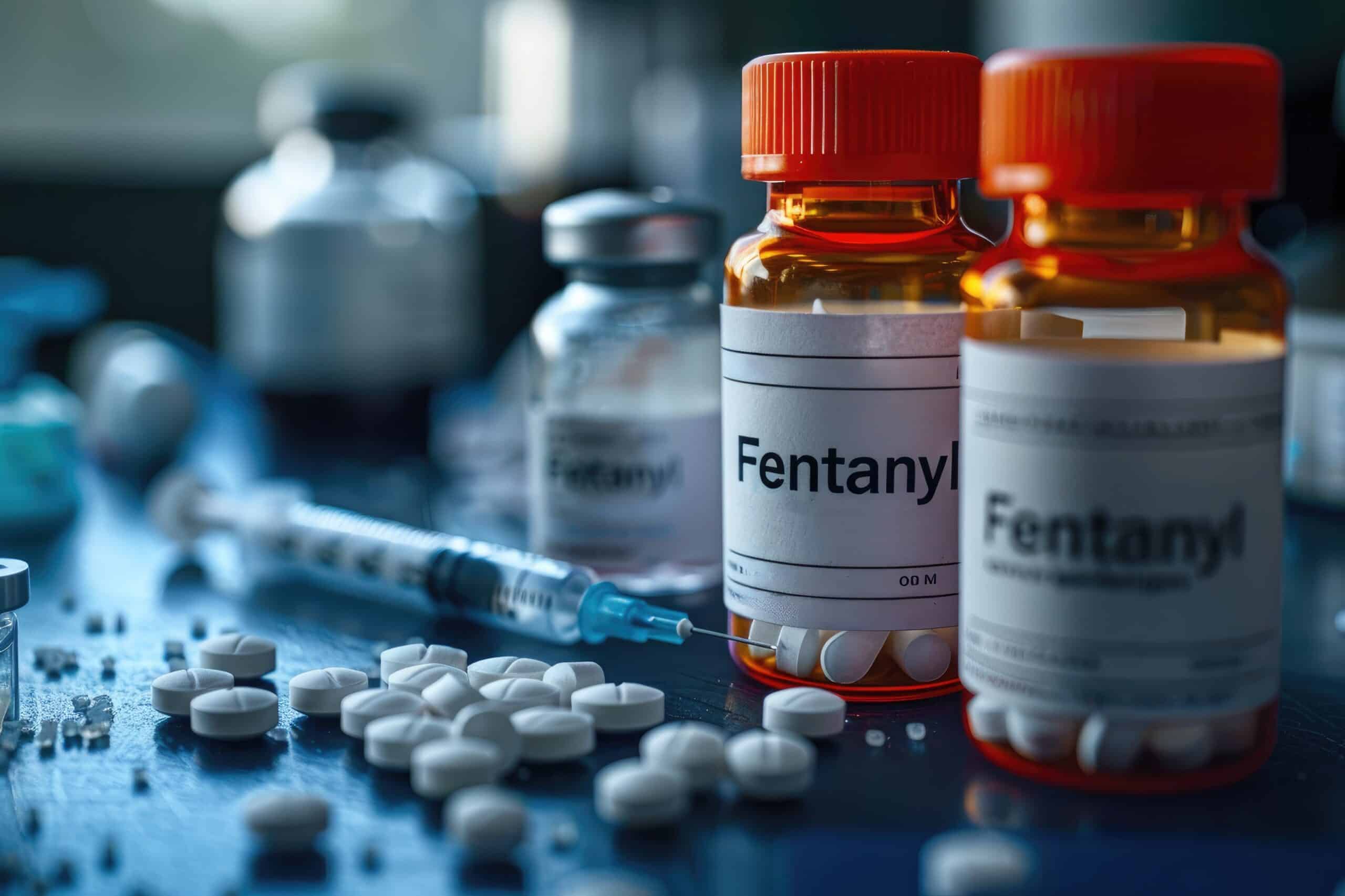
Fentanyl has fundamentally changed the landscape of opioid addiction. What was once a pharmaceutical painkiller has become the driving force behind a crisis that, according[…]
San Diego Ibogaine Treatment 45 Minutes South of the border
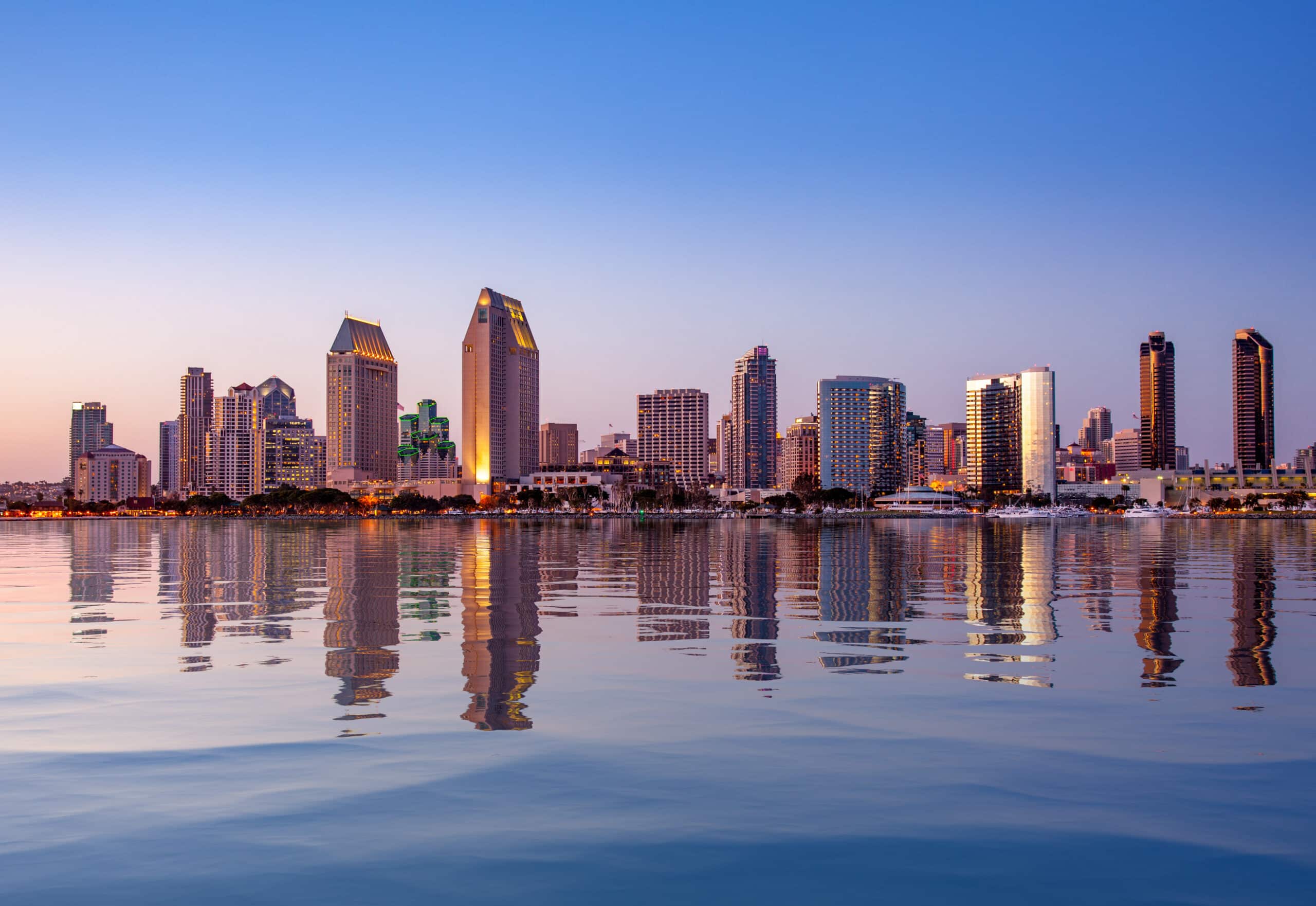
Ibogaine Treatment near San Diego For San Diego residents trapped in the cycle of addiction—detox, relapse, detox again—conventional treatment can feel like a revolving door.[…]

How Ibogaine Helps People Quit Meth: A Comprehensive Guide to This Emerging Treatment
Methamphetamine addiction has become one of the most challenging public health crises of our time. The drug’s devastating effects on the brain and body, combined[…]

The Cost of Methadone Maintenance vs Ibogaine Treatment: A Complete Financial Comparison
Ready to quit Methadone we can help When considering treatment options for opioid addiction, cost is a significant factor that influences decision-making. At first glance,[…]
Breaking Free from Kratom Addiction: How Freedom Ibogaine Treatment Centers Revolutionize Detox and Recovery
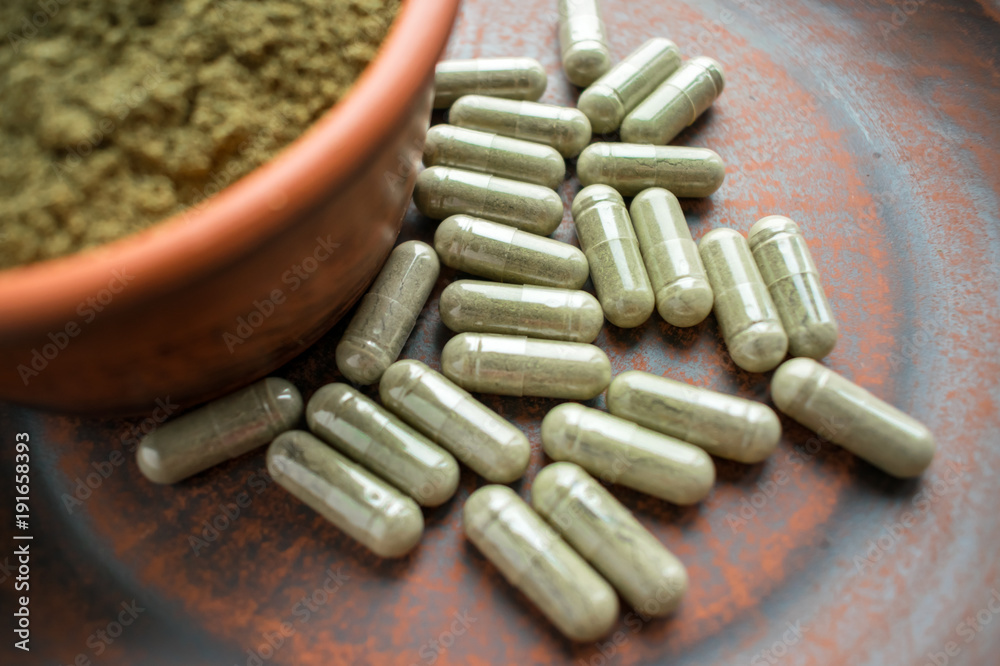
Kratom addiction is a stealthy trap that can ensnare users with its promise of natural relief, only to make breaking free a grueling battle. The[…]

Real Stories: How Ibogaine Treatment Changed My Life
At Freedom Ibogaine, we’ve witnessed firsthand how ibogaine can transform lives. It’s not just about the treatment—it’s about the people, their struggles, and the hope[…]
Ibogaine Treatment for Addiction Interruption
At our ibogaine clinic, we often see ibogaine marketed as a miracle cure for addiction—a quick fix that promises to erase years of struggle in[…]

Ibogaine: A Promising Path to Healing Depression and PTSD
In recent years, the quest for effective treatments for mental health conditions like depression and post-traumatic stress disorder (PTSD) has sparked renewed interest in psychedelic[…]

Welcome to Freedom Ibogaine: Your Journey to Healing Begins Here
Hello and welcome to the official launch of our new website for Freedom Ibogaine! We’re thrilled to have you here as we open the digital[…]