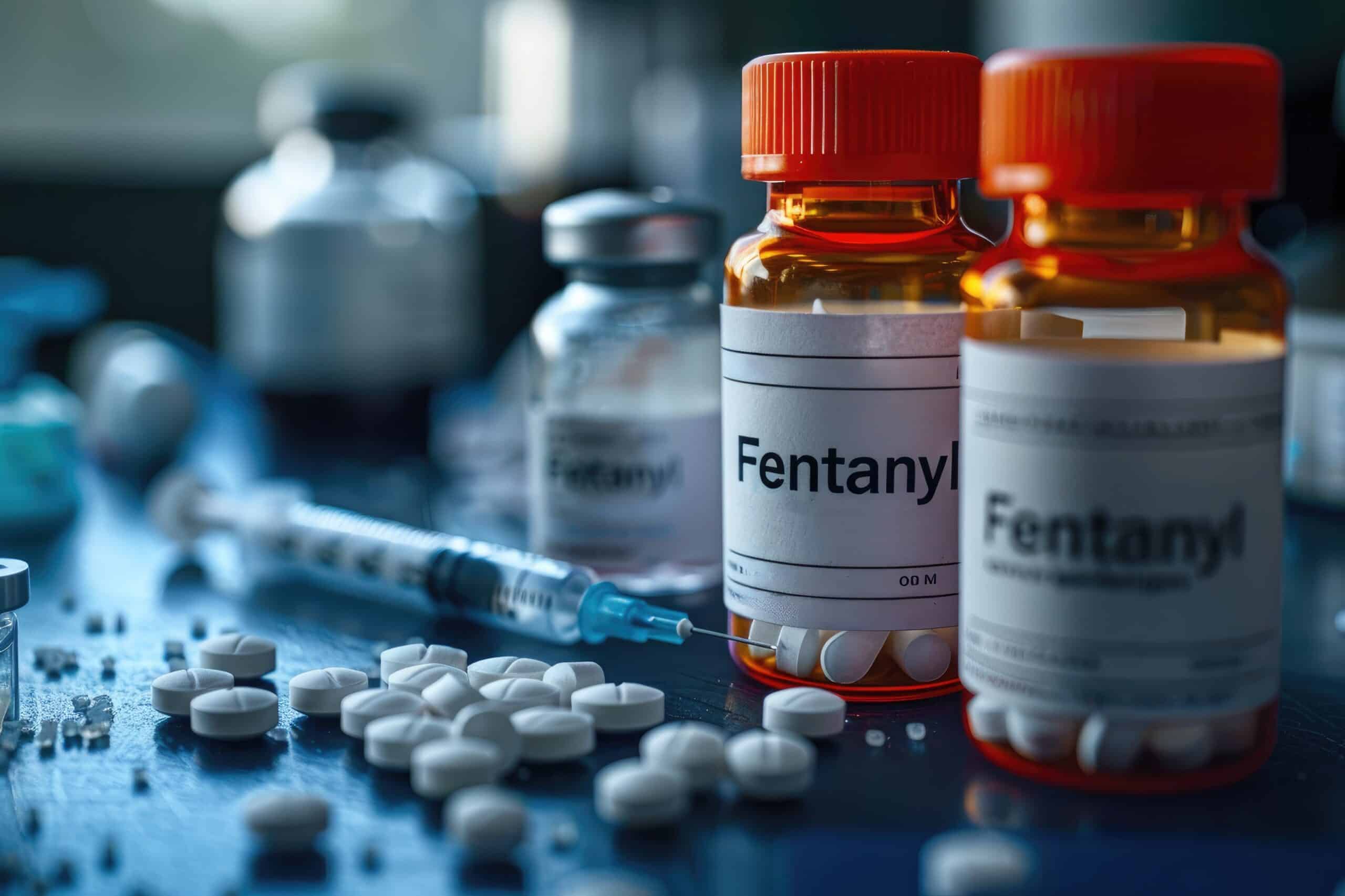
Fentanyl has fundamentally changed the landscape of opioid addiction. What was once a pharmaceutical painkiller has become the driving force behind a crisis that, according to CDC overdose data, has claimed over 70,000 American lives annually in recent years. For those trapped in fentanyl dependency, traditional treatment methods often fall short—rehab completion rates remain dismal, and relapse within the first year is the norm rather than the exception.
This is why an increasing number of people are looking south of the border for a different approach: ibogaine treatment.
But what exactly is ibogaine, how does it work for fentanyl addiction specifically, and what should you know before considering this option in 2026? This guide covers everything you need to understand before making this potentially life-changing decision.
Why Fentanyl Addiction Is Different
Fentanyl isn’t just another opioid—it’s fundamentally different from heroin, oxycodone, or even morphine in ways that make it exceptionally difficult to quit.
First, there’s potency. Fentanyl is 50 to 100 times stronger than morphine. This means the brain adapts to an extraordinarily powerful substance, creating a level of physical dependence that traditional detox protocols struggle to address.
Then there’s the issue of fat solubility. Fentanyl stores in body fat and releases slowly over time. Unlike heroin, which clears the system in days, fentanyl can continue leaching from fat stores for weeks. This is why many people experience “wave” withdrawals—feeling better one day, then crashing again as more fentanyl releases into the bloodstream.
Finally, there’s the psychological grip. The intensity of the fentanyl high rewires the brain’s reward system more aggressively than other opioids. The mental obsession—the constant, intrusive thoughts about using—can persist long after physical withdrawal ends.
These factors explain why conventional approaches often fail for fentanyl addiction. A 28-day rehab program may barely scratch the surface when dealing with a substance this powerful.
How Ibogaine Works: The Science Explained
Ibogaine is a naturally occurring psychoactive compound derived from the root bark of the Tabernanthe iboga plant, native to Central Africa. While it has been used in traditional Bwiti ceremonies for centuries, its application for addiction treatment was discovered almost by accident in the 1960s when Howard Lotsof, a young heroin addict, found that a single ibogaine experience eliminated his withdrawal symptoms and cravings.
Since then, research has revealed several mechanisms that explain ibogaine’s remarkable effects on opioid addiction.
Receptor Reset
Ibogaine and its metabolite noribogaine interact with opioid receptors in a unique way. Rather than simply blocking or activating these receptors like Suboxone or methadone, ibogaine appears to reset receptor sensitivity. This is why many patients report that the constant craving—that background noise of wanting to use—simply quiets after treatment.
Neuroplasticity Enhancement
Research suggests ibogaine promotes the release of brain-derived neurotrophic factor (BDNF), sometimes called “fertilizer for the brain.” This may help repair neural pathways damaged by chronic opioid use and facilitate the formation of new, healthier patterns.
Dopamine Regulation
Chronic fentanyl use devastates the brain’s natural dopamine system, which is why early recovery often feels so joyless—a condition sometimes called anhedonia. Ibogaine appears to help normalize dopamine function, potentially explaining why many patients report improved mood and motivation after treatment.
The Introspective Experience
Beyond the pharmacology, ibogaine produces a profound psychedelic experience lasting 24 to 36 hours. Many patients describe processing traumatic memories, gaining insight into the root causes of their addiction, and experiencing something like years of therapy compressed into a single night. This psychological component is particularly relevant given that trauma and PTSD are frequently intertwined with substance dependency.
The Fentanyl-Specific Protocol
Not all ibogaine treatment is created equal, and fentanyl requires a specialized approach that many clinics fail to implement properly.
The Transition Period
Because of fentanyl’s fat solubility, patients cannot simply stop using and receive ibogaine. The fentanyl stored in body fat will continue releasing, potentially causing dangerous interactions with ibogaine or rendering treatment less effective.
The proper protocol involves transitioning the patient from fentanyl to a short-acting opioid while allowing the stored fentanyl to clear from the system. This transition period typically takes 7 to 14 days, depending on the duration and intensity of fentanyl use. During this time, patients are medically managed to minimize discomfort while the body clears the drug.
This is fundamentally different from treating heroin or other opioid addictions, where ibogaine can often be administered much sooner after the last use.
The Flood Dose
Once the patient is properly stabilized, the full ibogaine treatment—often called the “flood dose”—is administered. This is done under continuous cardiac monitoring and medical supervision, as ibogaine does affect heart rhythm and requires careful oversight.
The experience itself typically lasts 24 to 36 hours, with the most intense visionary period occurring in the first 8 to 12 hours. Patients are monitored continuously throughout and for several days afterward.
Why Extended Programs Matter
Here’s where many ibogaine clinics fall short: they treat the flood dose as the entire treatment. A patient flies in, receives ibogaine after minimal preparation, and flies home within a week.
For fentanyl specifically, this approach is inadequate. The fat-stored fentanyl continues releasing for weeks after the initial ibogaine treatment. Without proper medical support during this extended clearance period, many patients experience post-acute withdrawal symptoms that can trigger relapse.
Extended programs—30 days or longer—allow for the complete elimination of stored fentanyl, additional booster doses if needed, and proper integration of the ibogaine experience. The difference in outcomes between short-stay and extended-stay programs is substantial.
What About Suboxone and Methadone Users?
Many people seeking ibogaine treatment for fentanyl are currently on medication-assisted treatment (MAT) like Suboxone (buprenorphine) or methadone. These individuals face additional considerations.
Suboxone (Buprenorphine)
Buprenorphine has an exceptionally strong binding affinity to opioid receptors—stronger even than ibogaine. This means patients on Suboxone must completely discontinue the medication and allow it to clear before ibogaine treatment can be effective. This typically requires 7 to 14 days of carefully managed transition.
Methadone
Methadone presents different challenges due to its extremely long half-life. Patients on high-dose methadone may require 2 to 4 weeks of transition before ibogaine treatment. Additionally, methadone and ibogaine compete for the same liver enzymes, creating pharmacological considerations that must be carefully managed.
Both situations require experienced medical oversight and should only be attempted at clinics with specific protocols for MAT discontinuation.
Safety Considerations: What Are the Real Risks?
Ibogaine is not without risk, and any clinic that downplays the safety considerations should be avoided. However, understanding the actual risks—and how they’re mitigated—is essential for informed decision-making.
Cardiac Effects
Ibogaine prolongs the QT interval, a measure of heart rhythm. In rare cases, this can lead to dangerous arrhythmias. This is why comprehensive cardiac screening—including EKG and sometimes echocardiogram—is mandatory before treatment. Patients with certain pre-existing heart conditions are not candidates for ibogaine.
During treatment, continuous cardiac monitoring is essential. Any reputable clinic will have the patient connected to cardiac monitoring equipment throughout the experience, with medical staff trained to intervene if abnormalities occur.
Drug Interactions
Certain medications interact dangerously with ibogaine, including some antidepressants, antipsychotics, and other substances. Thorough medication review is part of any proper screening process.
The Importance of Medical Supervision
The deaths that have occurred with ibogaine have almost universally involved inadequate medical screening, lack of proper monitoring, or inappropriate settings. When administered in a proper clinical environment with comprehensive screening and continuous supervision, ibogaine has an established safety profile that is manageable with appropriate precautions.
Who Is Not a Candidate for Ibogaine?
Ibogaine is not appropriate for everyone, and responsible clinics will screen out individuals who are not good candidates:
- Those with significant heart conditions, arrhythmias, or prolonged QT interval
- Patients with severe liver or kidney disease
- Pregnant women
- Individuals with certain psychiatric conditions that could be destabilized
- Those taking medications that interact dangerously with ibogaine
- Patients who are not mentally prepared for an intensive psychedelic experience
The screening process should be thorough. If a clinic seems eager to accept you without comprehensive medical evaluation, that’s a red flag.
Veterans and First Responders: Special Considerations
Veterans and first responders represent a significant portion of those seeking ibogaine treatment for fentanyl addiction. Many developed opioid dependence following injuries sustained in service, often prescribed opioids that eventually led to fentanyl use as tolerance increased.
For these populations, the intersection of addiction with combat trauma or occupational PTSD makes ibogaine particularly relevant. The psychological processing that occurs during the ibogaine experience can address both the addiction and the underlying trauma simultaneously—something that rarely happens in conventional treatment settings.
Additionally, many veterans have found that traditional VA-based addiction treatment, while well-intentioned, failed to address their specific needs. The combination of medication-assisted treatment without meaningful trauma work often leaves veterans in a maintenance holding pattern rather than genuine recovery.
What to Expect: The Treatment Timeline
For fentanyl-dependent individuals, a proper ibogaine treatment timeline looks something like this:
Week 1: Arrival and Transition Upon arrival, medical evaluation confirms candidacy and establishes a baseline. The transition from fentanyl to short-acting opioids begins, managed with IV fluids and comfort medications as needed. This period can be uncomfortable but is medically managed to minimize suffering.
Week 2: Stabilization and Preparation As fentanyl clears from the system, patients stabilize on the transition protocol. This period includes psychological preparation for the ibogaine experience—setting intentions, beginning therapeutic conversations, and ensuring the patient understands what to expect.
Week 2-3: The Ibogaine Treatment Once medically cleared, the flood dose is administered with continuous monitoring. The experience itself lasts 24 to 36 hours, followed by several days of recovery and initial integration.
Weeks 3-4+: Integration and Extended Care This period is crucial and often neglected by short-stay clinics. Integration therapy helps patients process their experience and begin building the foundation for sustained recovery. Additional booster doses may be administered if needed. The body continues clearing stored fentanyl during this time.
This extended timeline explains why treatment costs vary significantly between clinics. A comprehensive 30-day program for fentanyl costs more than a 5-day program, but the difference in outcomes often justifies the investment.
Questions to Ask Before Choosing a Clinic
If you’re considering ibogaine treatment for fentanyl addiction, here are essential questions to ask any clinic:
- What is your specific protocol for fentanyl patients? Any clinic worth considering should have a detailed fentanyl-specific protocol that addresses the fat-storage issue.
- How long is your program for fentanyl addiction? Be wary of clinics offering 5-7 day programs for fentanyl—this is generally insufficient.
- What cardiac monitoring do you use? Continuous cardiac monitoring during the ibogaine experience is non-negotiable.
- Who provides medical supervision? The clinic should have qualified physicians experienced with ibogaine, not just nurses or “facilitators.”
- What happens after the flood dose? Integration support and extended aftercare are essential for long-term success.
- What are your screening criteria? A thorough medical screening process indicates a clinic that prioritizes safety.
- Can I speak with former patients? Testimonials and references help verify the clinic’s track record.
The Bottom Line
Fentanyl addiction is unlike any other substance dependency, and it demands a treatment approach that acknowledges its unique challenges. Ibogaine offers something that traditional treatment cannot: a neurobiological reset combined with profound psychological insight, delivered in a timeframe that actually matches the reality of fentanyl withdrawal.
But ibogaine is not a magic cure. It’s a powerful tool that, when used correctly within a comprehensive treatment program, can provide the breakthrough that makes lasting recovery possible. The difference between success and failure often comes down to choosing the right program—one that understands fentanyl specifically, provides adequate time for complete detox, and offers the integration support necessary to translate the ibogaine experience into sustained change.
If you or someone you love is struggling with fentanyl addiction and traditional treatments have failed, ibogaine may offer a path forward. The first step is understanding your options and finding a program that meets the specific demands of fentanyl recovery.
Ready to learn if ibogaine treatment is right for you? Apply for a confidential consultation with our medical team to discuss your specific situation and determine if you’re a candidate for treatment.
Freedom Ibogaine is located in Rosarito, Mexico, offering comprehensive ibogaine treatment for fentanyl addictionwith extended-stay programs designed specifically for the challenges of fentanyl recovery.
Comments are closed